Living With Natural Soap: A 30-Day Switch
What actually happens, week by week, when you replace one drugstore bottle with one bar — written from inside the experiment, with notes from a hundred customer emails.
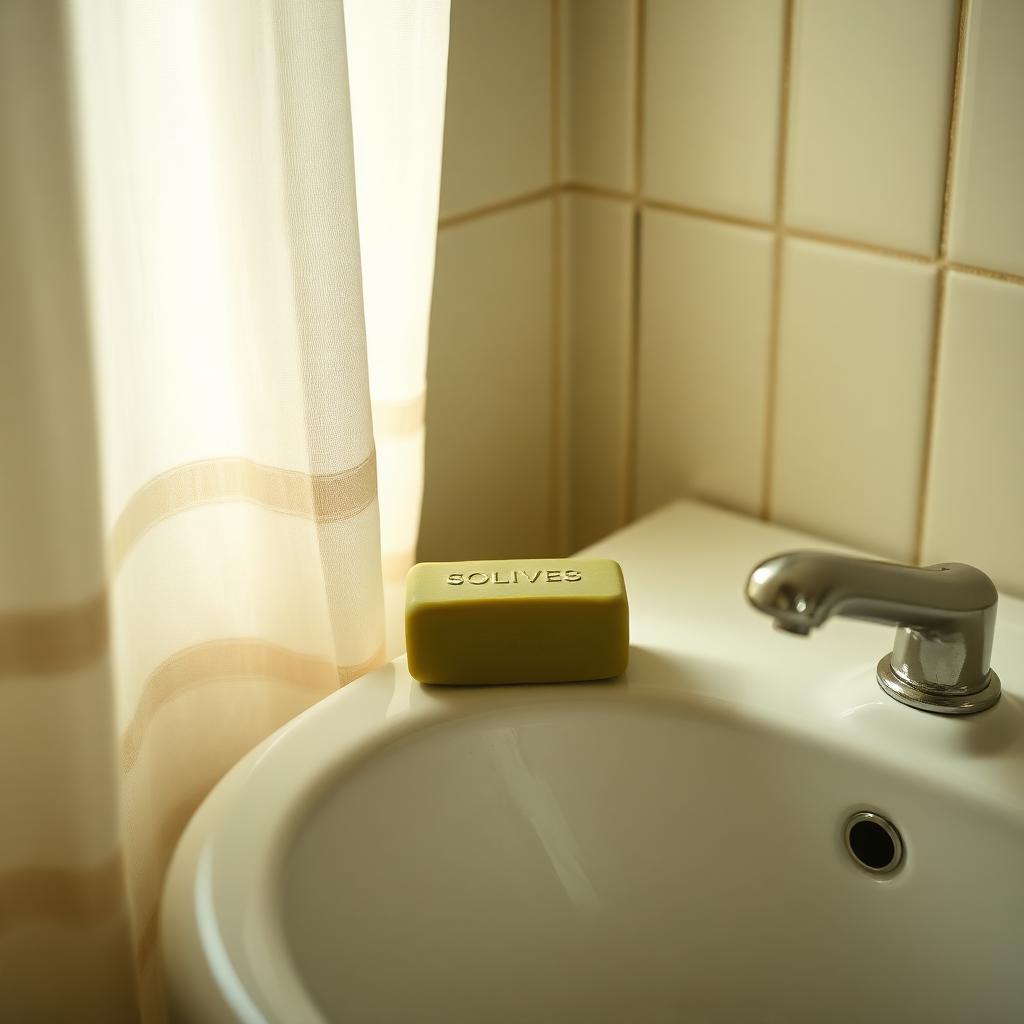
We get an email roughly twice a week from somebody who has just received their first Aleppo bar, used it once, and wants to know — politely, sometimes nervously — whether they are doing it right. The answer is almost always yes. But the experience of switching from a sulfate-based commercial wash to a traditional saponified bar is genuinely different, and it helps to know what you are signing up for. What follows is the timeline most people report, condensed from about a hundred customer notes.
Day one. The first shower with a real Aleppo bar is almost anticlimactic. The lather is low and creamy, nothing like the aggressive foam of a sulfate body wash. The smell is faint — olive oil and a clean herbal note from the laurel, never perfumed. You step out of the shower and your skin feels, for about fifteen minutes, almost dry. This is not the soap stripping your barrier. It is the soap not coating you in the silicone-and-fragrance film that the previous bottle was leaving behind, and your skin has not yet figured out what to do with the absence.
Day two through day five. Most people report a transition period of about three to five showers. The skin recalibrates. The faint post-shower dryness disappears and is replaced by what most customers describe as a quietness — a sense that the skin is no longer mid-recovery from the morning wash. If you are washing your hair with the bar too, the scalp typically goes through one to two days of feeling oilier than usual as the sebaceous glands adjust to no longer being aggressively stripped twice a day.
Week two. By the second week the daily wash starts to feel routine. The bar lasts much longer than you expected — about ten weeks of daily use, for one person, for a 5 oz Aleppo bar. Most customers also notice, around this point, that they are no longer reaching for the moisturiser. The olive oil glycerin in the bar is doing the job the lotion bottle used to do, which is most of the reason the lotion bottle existed.
Week three. The most interesting feedback usually arrives in week three. This is when people who have used sulfate shampoos their whole adult lives report that their hair has stopped needing to be washed daily — sometimes the gap stretches to two or three days between washes, with no greasiness. The laurel berry oil in the bar regulates sebum at the follicle rather than stripping it from the strand, and the rebound oil production that drugstore shampoo creates slowly stops.
Day thirty. The honest verdict, at thirty days, is that the bar has not changed anybody's life and is not supposed to. What it has done, in roughly nine out of ten customer reports, is make the morning shower a quieter, simpler, less reactive event — and removed one bottle, one synthetic fragrance, and one daily exposure to endocrine-disrupting preservatives from the routine. Some people stop there. Most slowly start replacing other things.
The clean experiment, if you want to try it, is this: change only the bar. Do not change your moisturiser, your shampoo (yet), your face routine, your laundry detergent. One product, thirty days, twice a day, on the most absorbent skin you have. The result is much easier to read when there is only one variable.
— Filed from the workshop