Dispatches from
where the soap is made.
Six field notes from a year on the road — Aleppo, the Westfjords, Salon-de-Provence, Nagano, the High Atlas, and the Chiricahua Mountains. Traditional soap making, written from the cauldron and the curing rack.
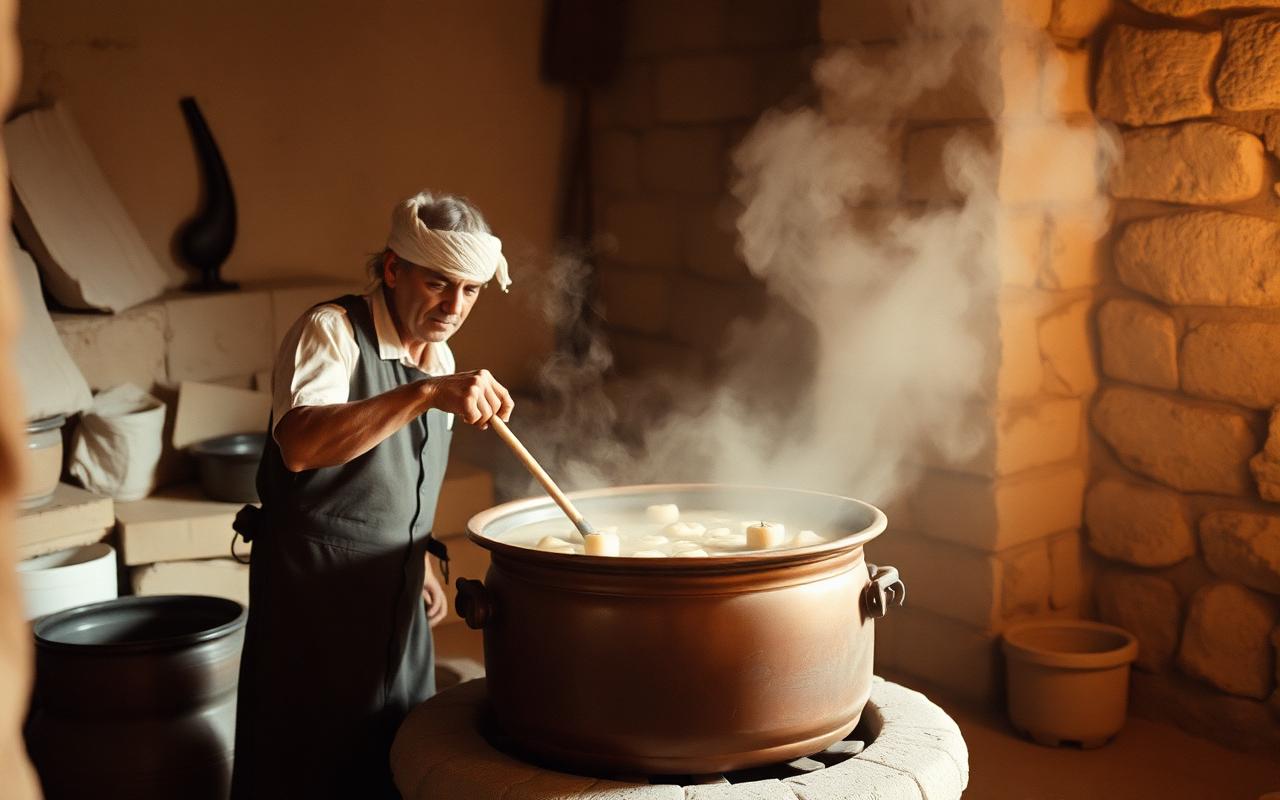
The Last Soap Makers of Aleppo
Inside the thousand-year-old workshops where olive oil and laurel oil are still hot-processed by hand into the purest natural soap on earth.
Read the dispatch →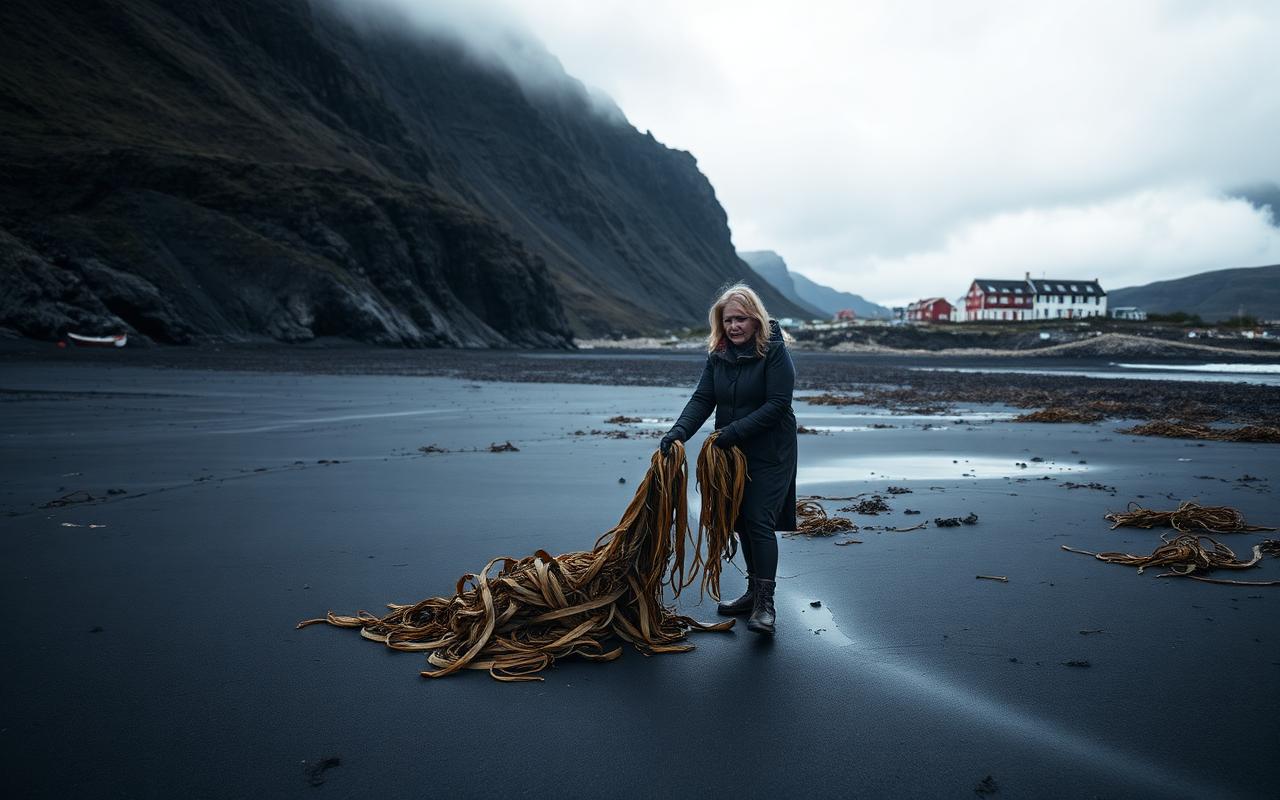 Nº 02
Nº 02Kelp, Cold Water, and the Quiet Genius of the Westfjords
How a fourth-generation seaweed harvester on Iceland's lonely north coast makes the most mineral-dense bath bar we have ever tested.
 Nº 03
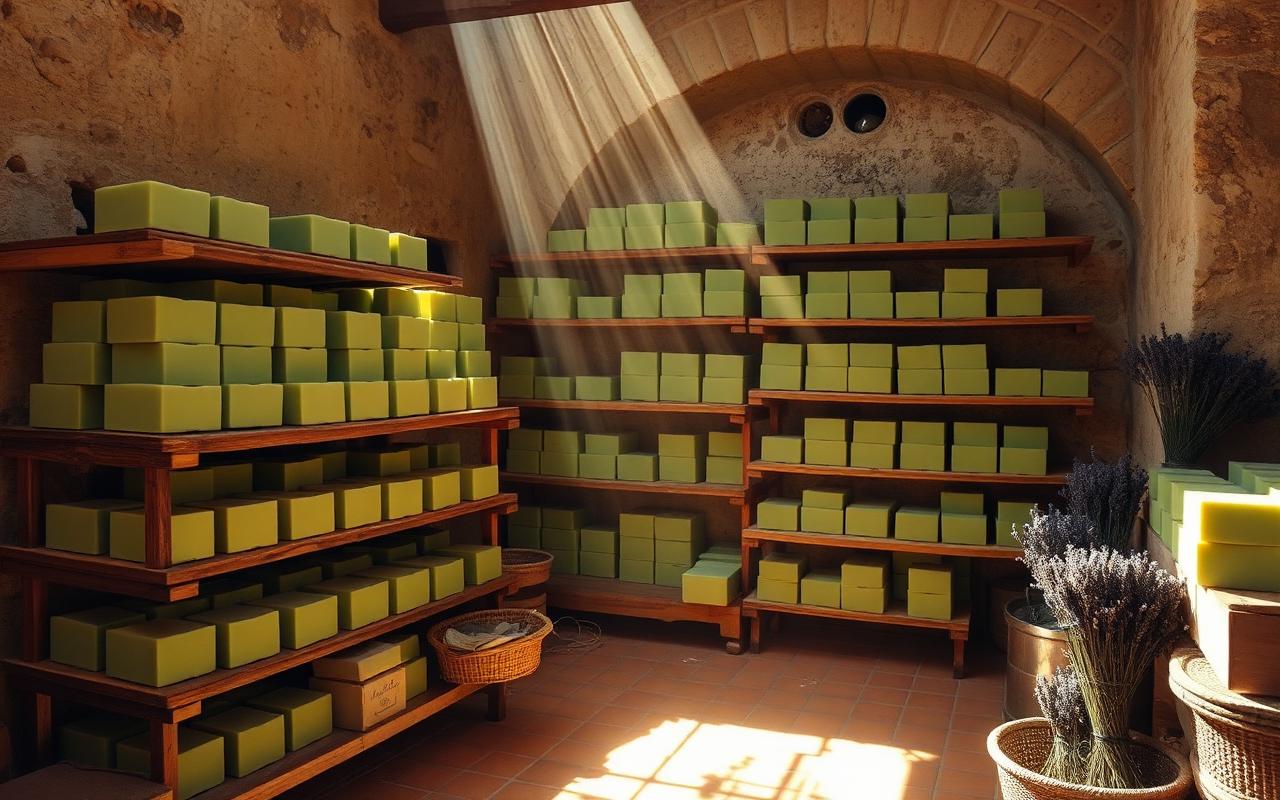
Nº 03Savon de Marseille: The Twelve-Hour Soap
Why the green olive-oil soap of Provence has been protected by royal edict since 1688 — and why almost everything sold under its name today is a fake.
 Nº 04
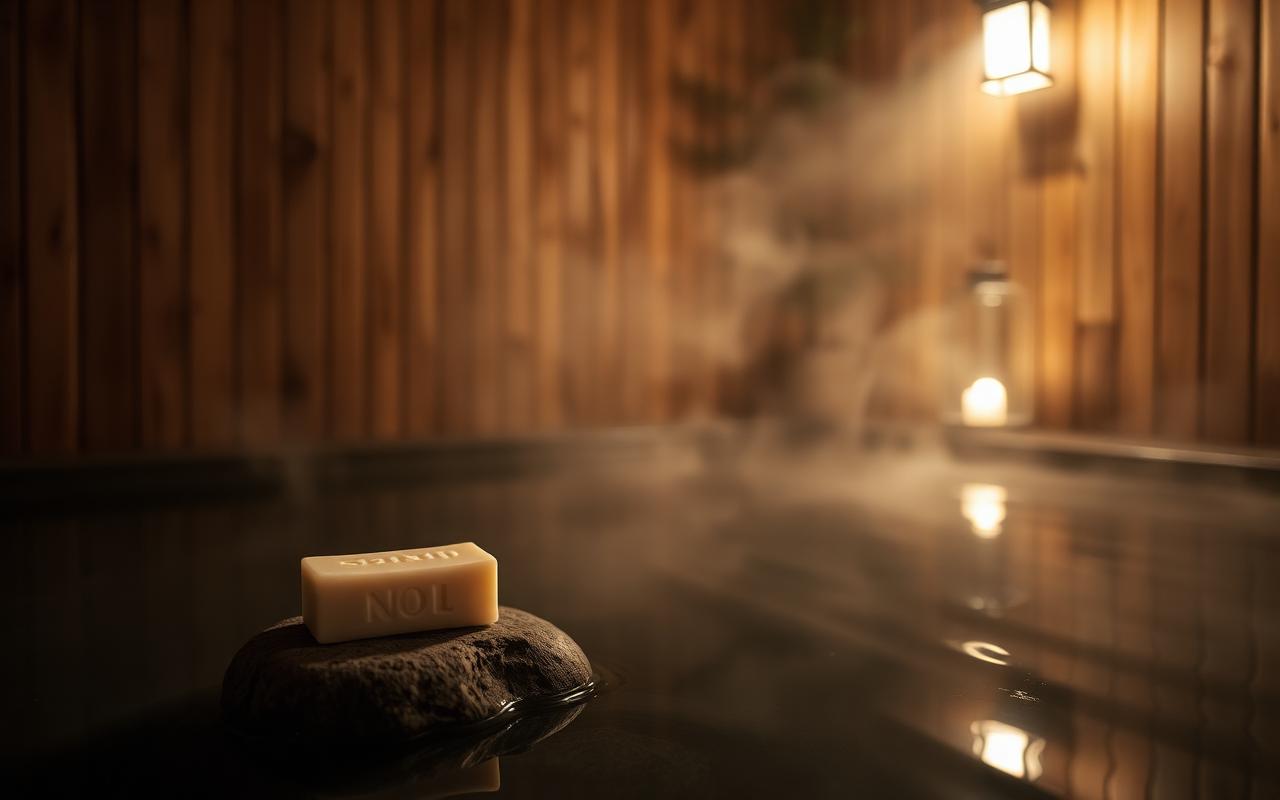
Nº 04A Bath in the Mountains of Nagano
What the Japanese hinoki cypress tradition can teach a Western soap maker about scent, restraint, and the dignity of a single ingredient.
 Nº 05
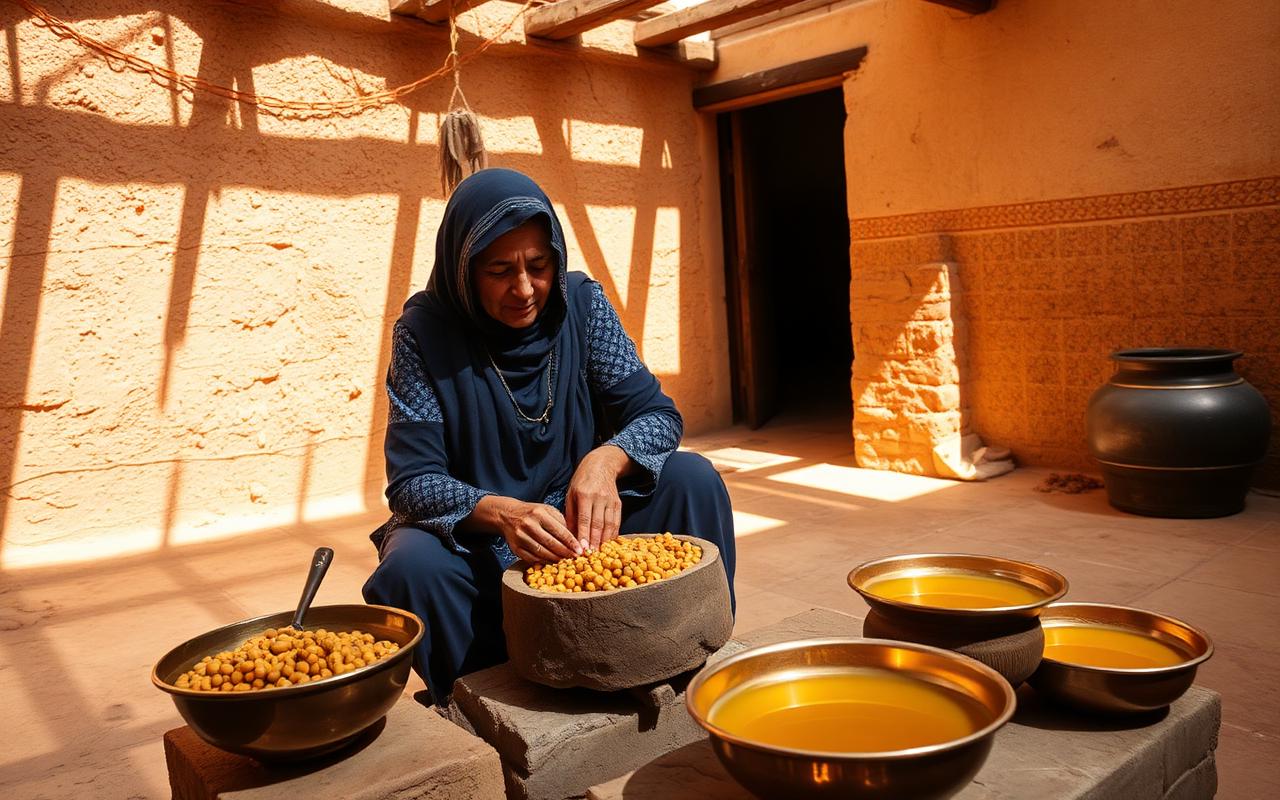
Nº 05The Argan Cooperatives of the High Atlas
On a women-run argan oil cooperative outside Essaouira, and the ingredient that quietly outperforms every premium moisturiser we have ever tested.
 Nº 06
Nº 06Field Note from the Sierra Blanca: The Apache Bar Begins
Three days in the high desert with a sage harvester on the edge of the old Apache homelands — and the longer, slower conversation we have only just begun with the Mescalero themselves.
 Nº 07
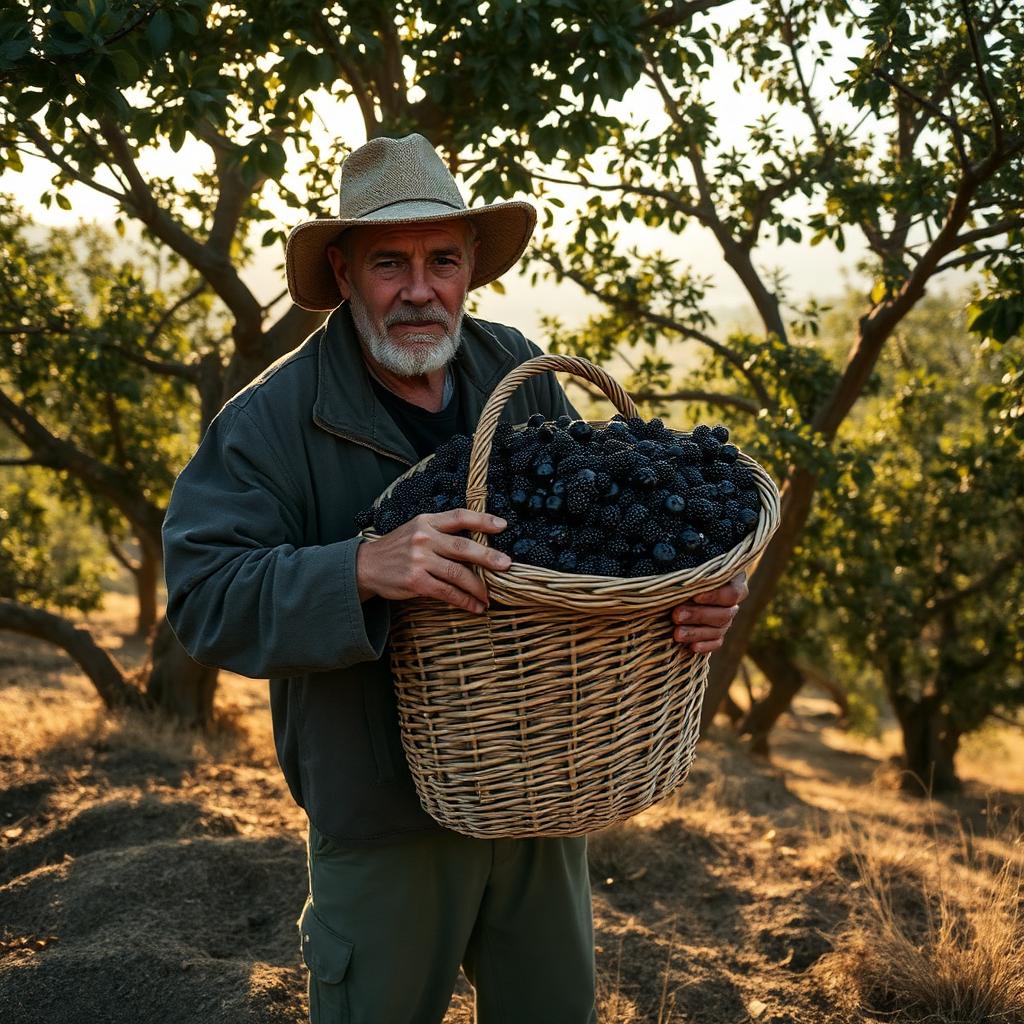
Nº 07The Laurel Forests of Mount Lebanon
On a fourth-generation laurel berry harvester in the limestone hills above Beirut, and the ingredient that gives an Aleppo bar its green heart and its quiet authority.
 Nº 08
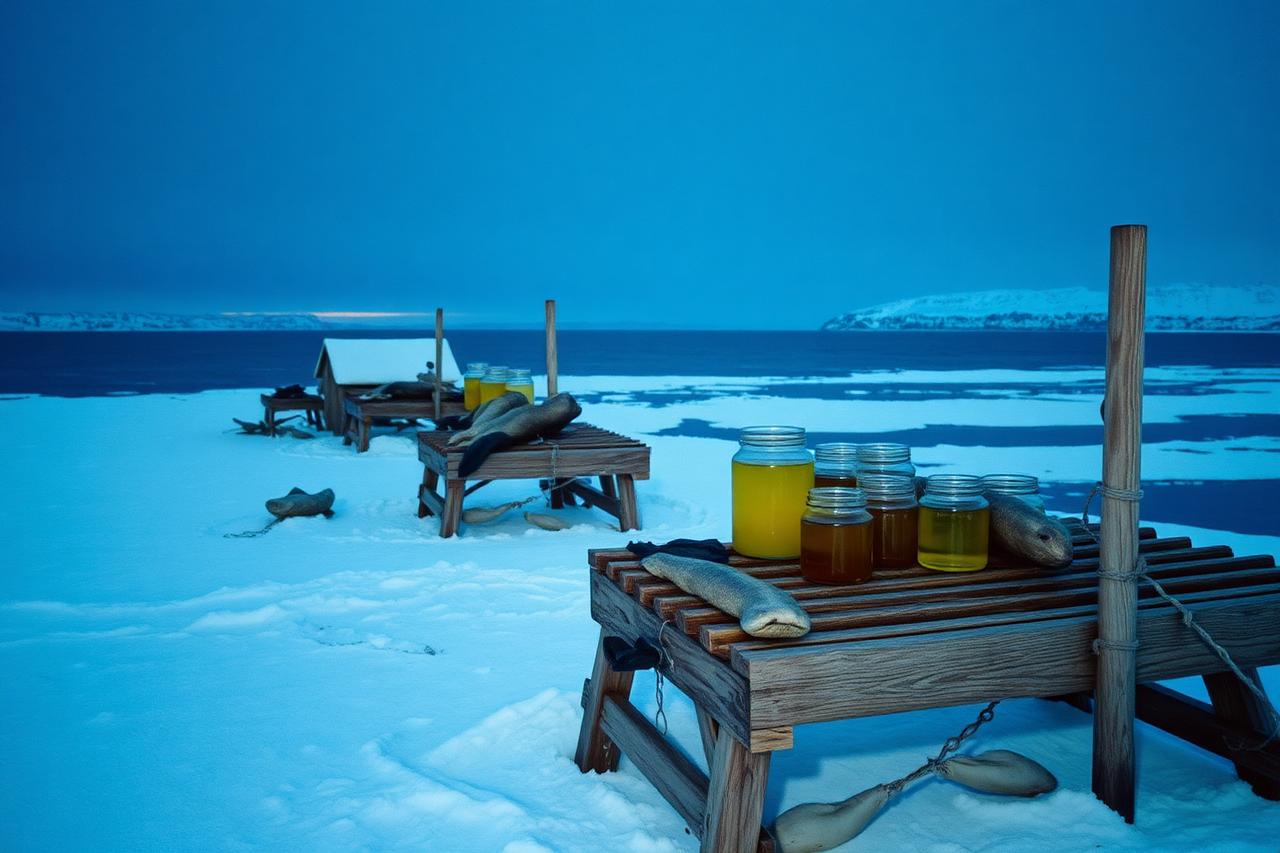
Nº 08Ice, Oil and Ash: A Blubber Soap Story from the Arctic
Ten days on the sea ice above the Arctic Circle, learning how Inuit families have turned marine fat and driftwood ash into soap for longer than anyone can date — and why we may never carry a bar of it.
 Nº 09
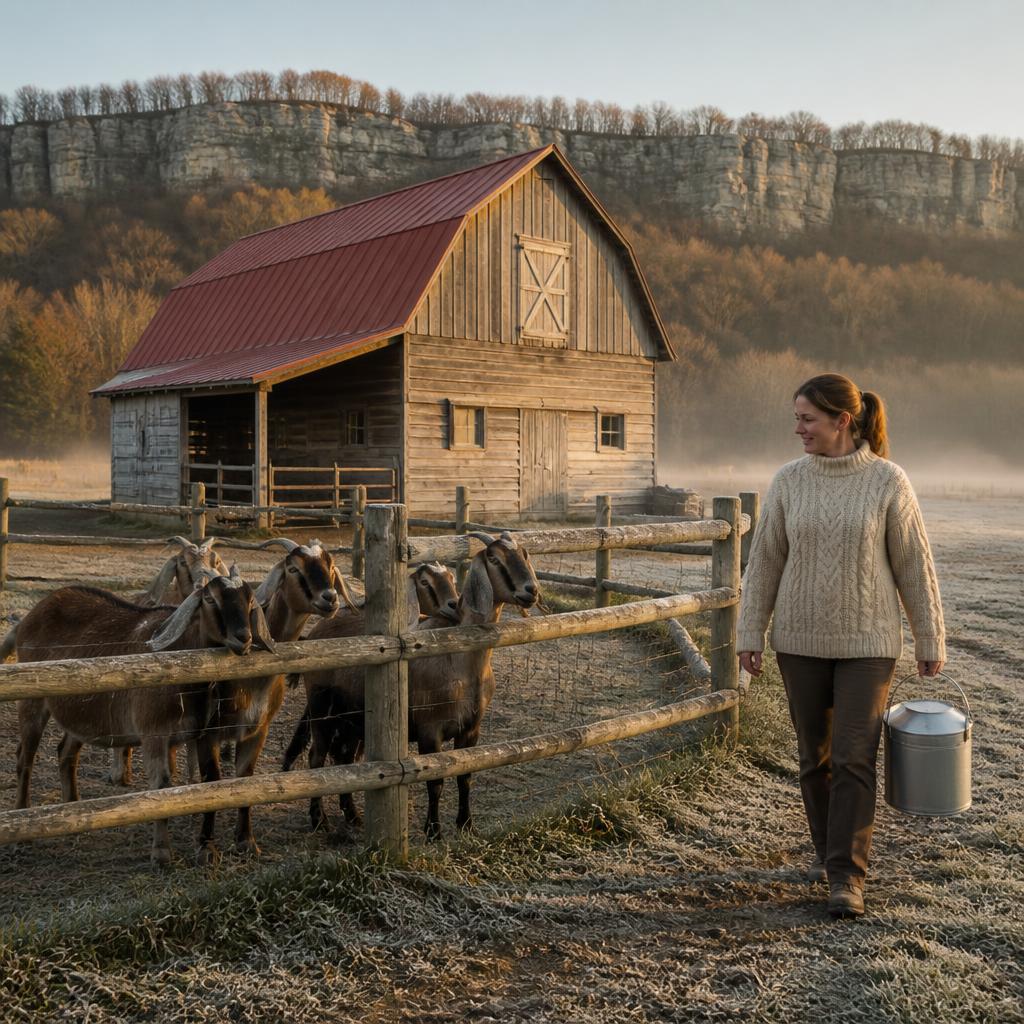
Nº 09The Milk Run: Goat Milk Soap from Dundas, Ontario
An afternoon at a small farm near the Niagara Escarpment, where goat milk soap is made the hard way — and why we are still just talking, not buying, not yet.
Shorter pieces from the curing rack — on ingredients, methods, and the questions our customers actually ask. Re-angled from older essays as we sunset our earlier shop.
 Wº 01
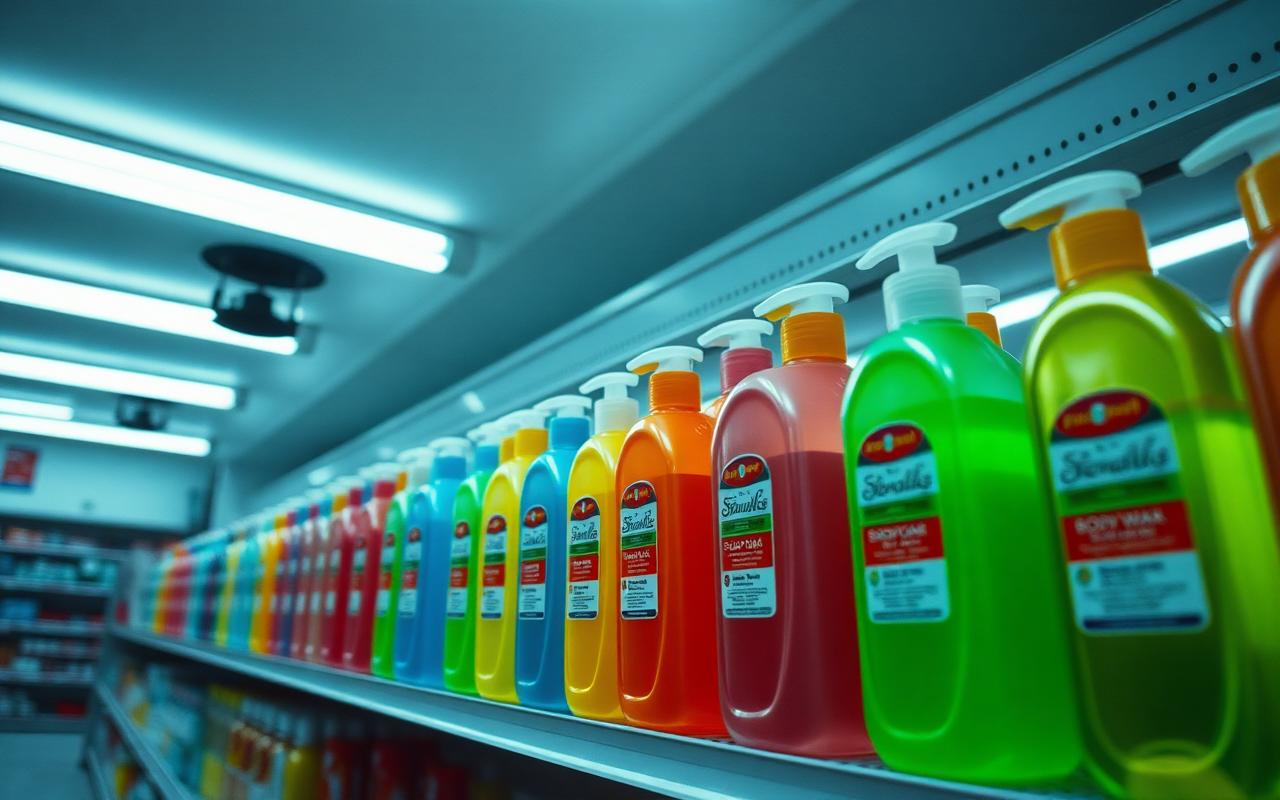
Wº 01The Dangers of Modern Soaps: What's Actually in the Bottle
Parabens, sulfates, triclosan, phthalates — the endocrine-disrupting chemicals hiding in your drugstore soap, and the older bar that doesn't need any of them.
 Wº 02
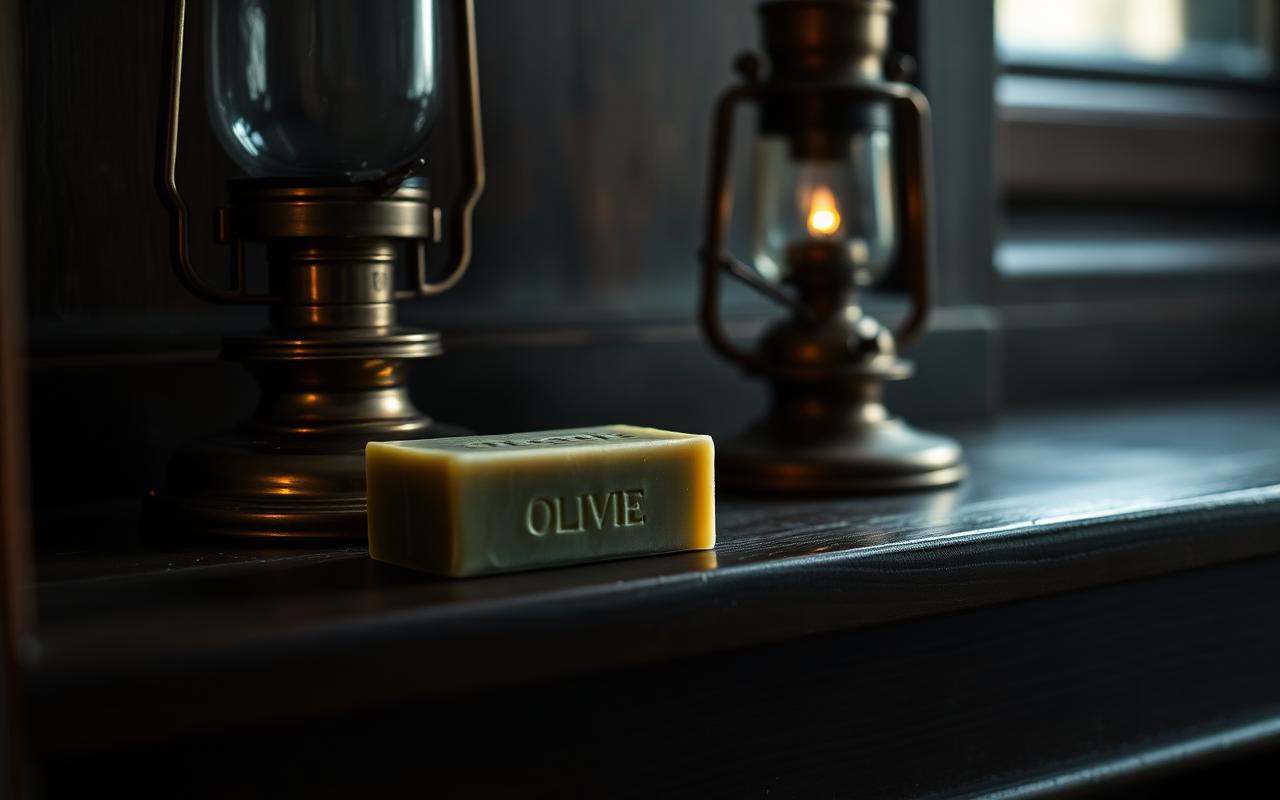
Wº 02The Cost of Doing Nothing
On scarcity, comfort, and the slow accumulation of things you almost did — written from a curing rack.
 Wº 03
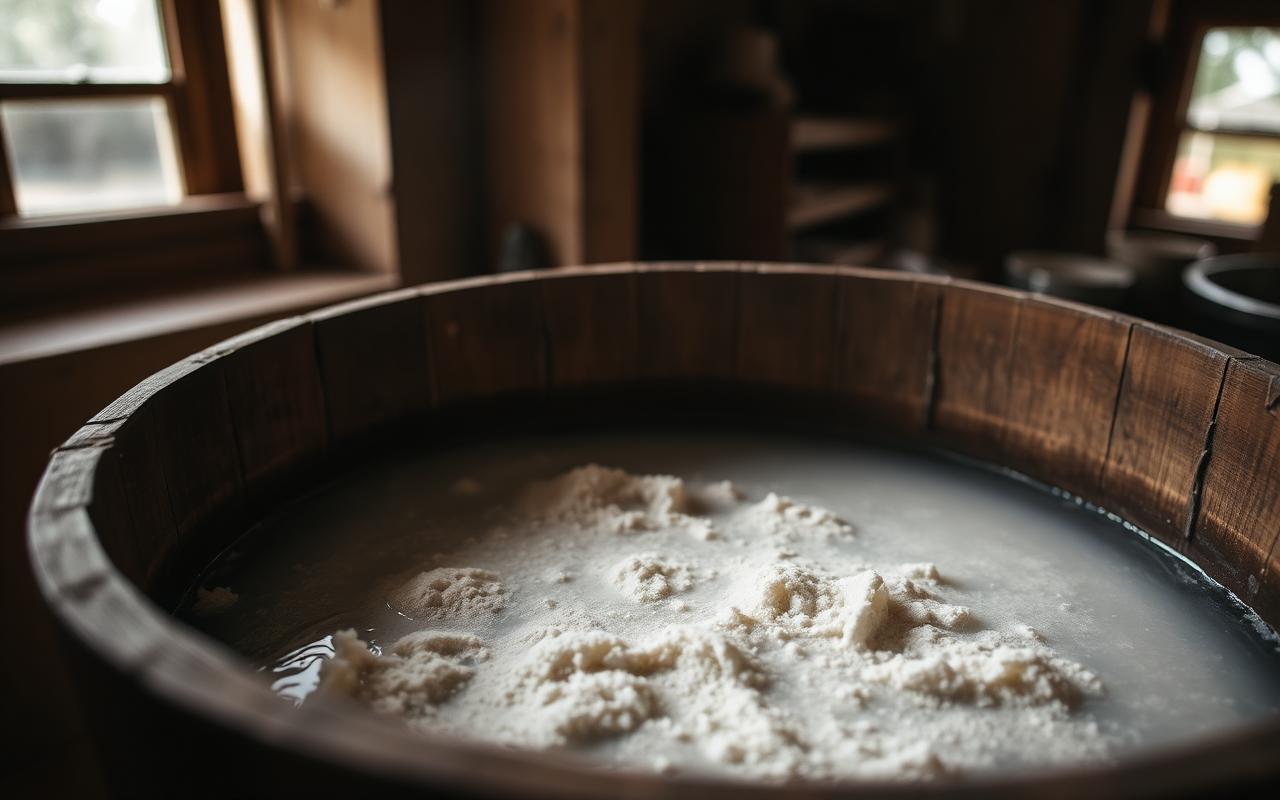
Wº 03Is Lye Natural? A Plain Answer From the Soap Cauldron
Lye is wood ash and rainwater, older than writing, and gone from the bar by the time you hold it. A plain explanation of what lye is and why a soap without it is not really soap.
 Wº 04
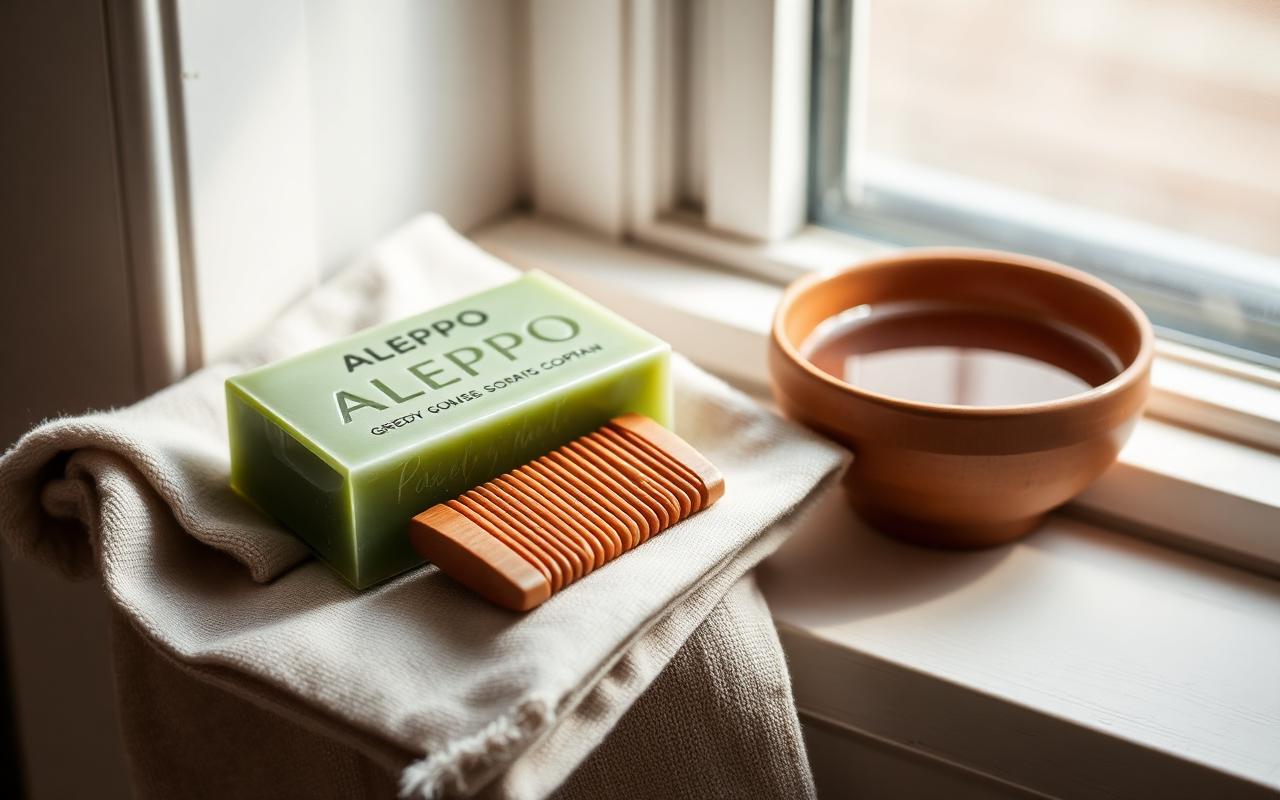
Wº 04Aleppo Soap for Hair: What It Does to Your Scalp
Aleppo soap for hair is not a TikTok trick or a shampoo substitute — it is what people used before shampoo existed, and the laurel oil in it does something specific your shampoo cannot.
 Wº 05
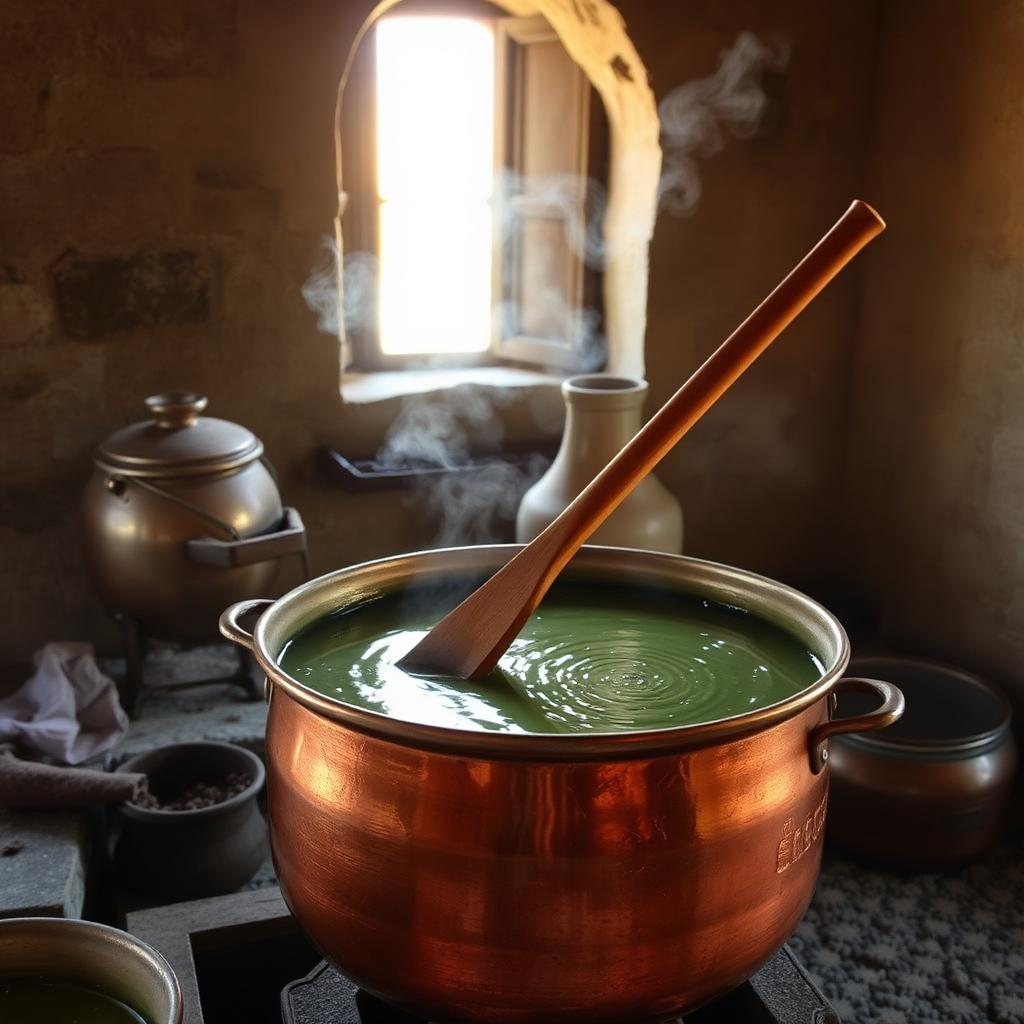
Wº 05How Aleppo Soap Is Made: Inside Two Years of Production
From the copper cauldron to the stamped cube: how authentic Aleppo soap production has run, by hand, on the same five steps for the last thousand years.
 Wº 06
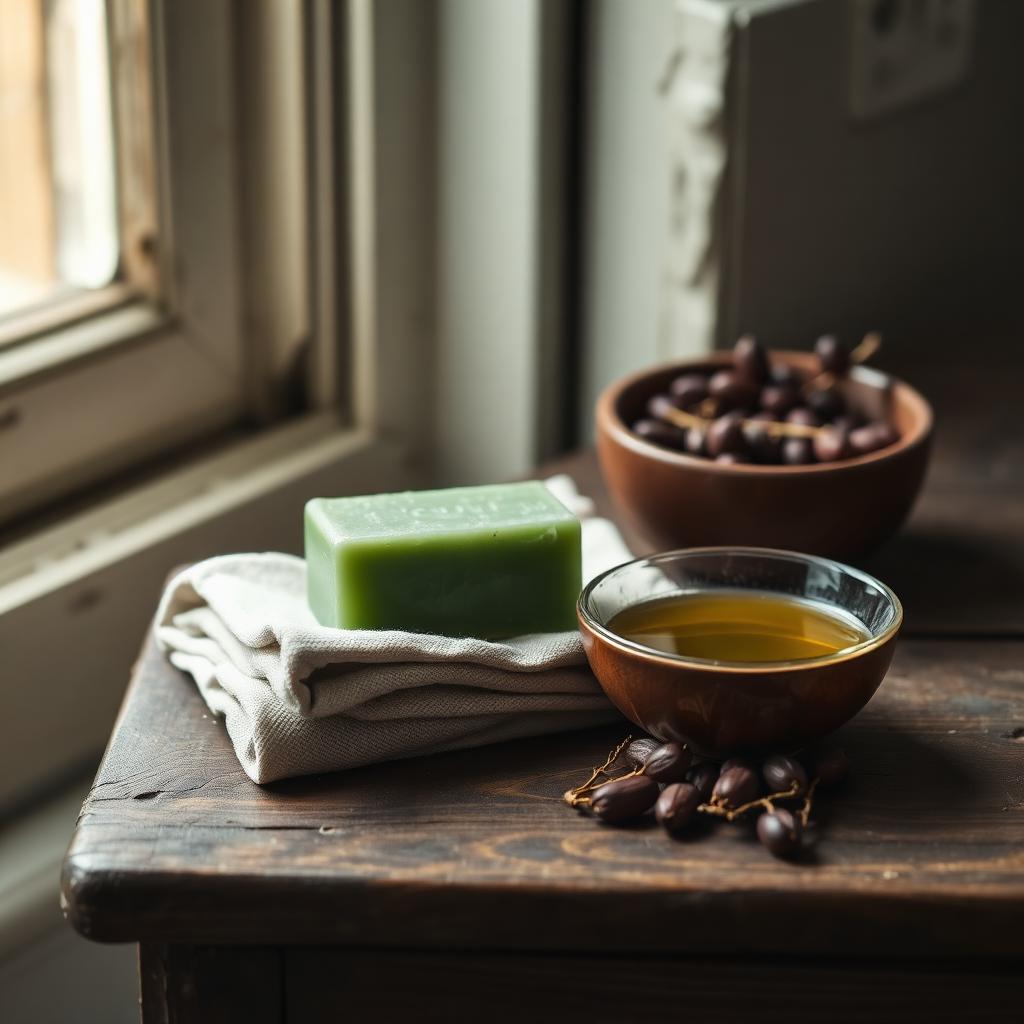
Wº 06What's Actually in Your Soap: A Reader's Guide to the Label
Most soap ingredient lists are written to be unreadable. A short, plain translation of the dozen most common ingredients in a drugstore bar — and a much shorter list of what an honest one contains.
 Wº 07
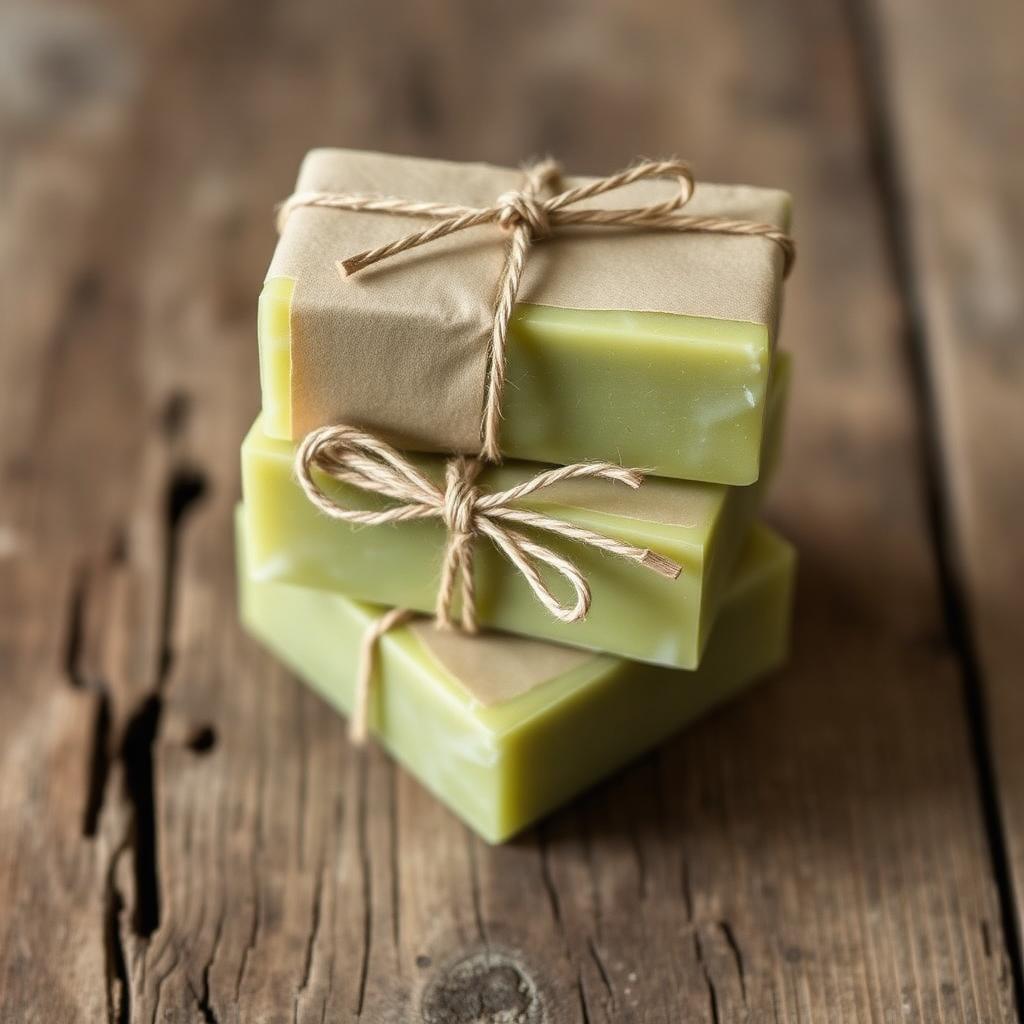
Wº 07Plastic-Free Soap: The Bathroom's Quietest Switch
A bar of plastic-free soap replaces, on average, two bottles of body wash, one bottle of shampoo, and a small can of shaving foam. The math, for a household of two, is not small.
 Wº 08
Wº 08Doctors vs. Botanists: Two Approaches to the Same Skin
Why the dermatologist and the village herbalist often disagree about what to put on your face — and why the answer is usually older than either of them.
 Wº 09
Wº 09Living With Natural Soap: A 30-Day Switch
What actually happens, week by week, when you replace one drugstore bottle with one bar — written from inside the experiment, with notes from a hundred customer emails.
 Wº 10
Wº 10The Soap Our Grandparents Used (And Why They Had Better Skin)
Before the cosmetic aisle existed, one bar of soap did the entire job — hands, body, face, hair, shave. The people doing it had skin we now spend thousands of dollars trying to replicate.
 Wº 11
Wº 11Why Simple Soap Works: The Three-Ingredient Argument
There is a reason the oldest soap recipe still in production is also the shortest. Minimal-ingredient soap is not a stylistic preference — it is what fully cured saponified soap is supposed to look like.
 Wº 12
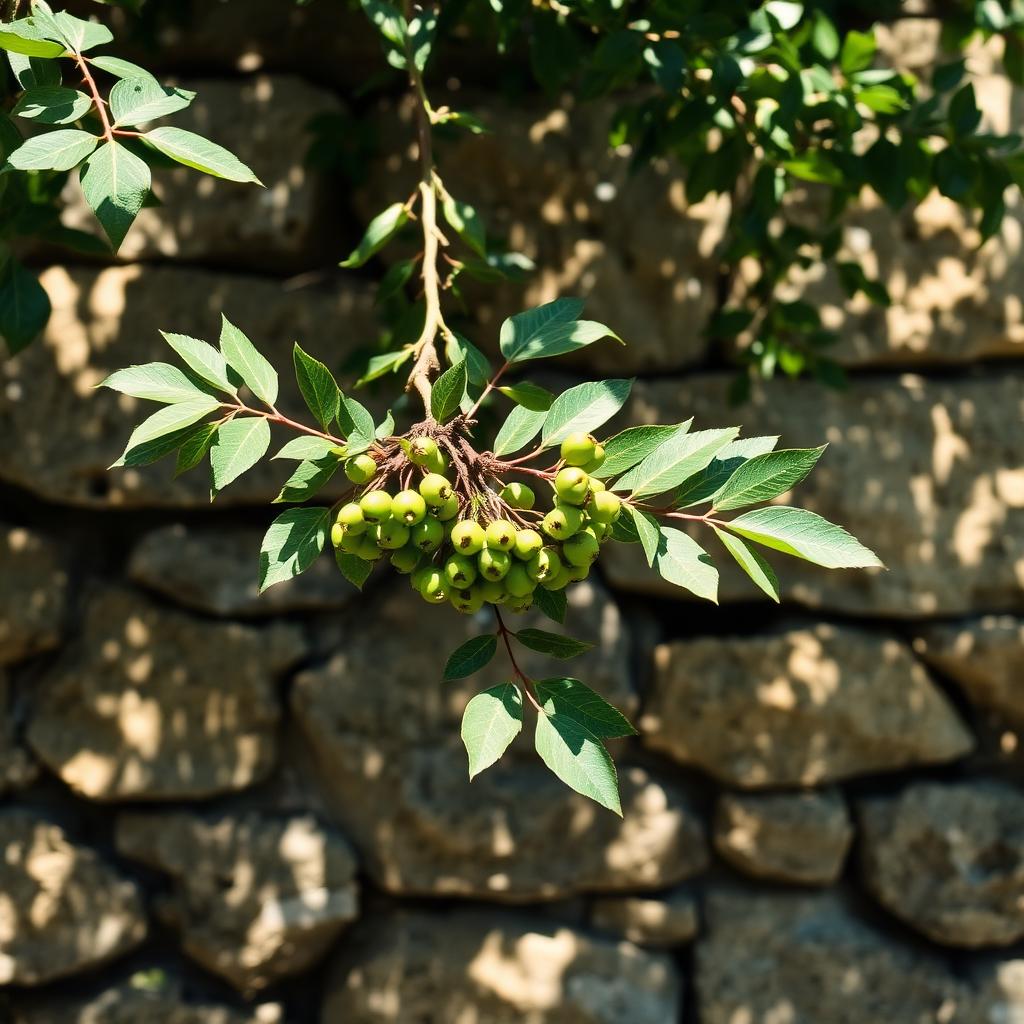
Wº 12The Energy of Natural Things
A short essay on why a hand-cured bar of olive and laurel soap feels different in the hand than a factory-extruded one — and why that distinction matters, even if it cannot quite be measured.
 Wº 13
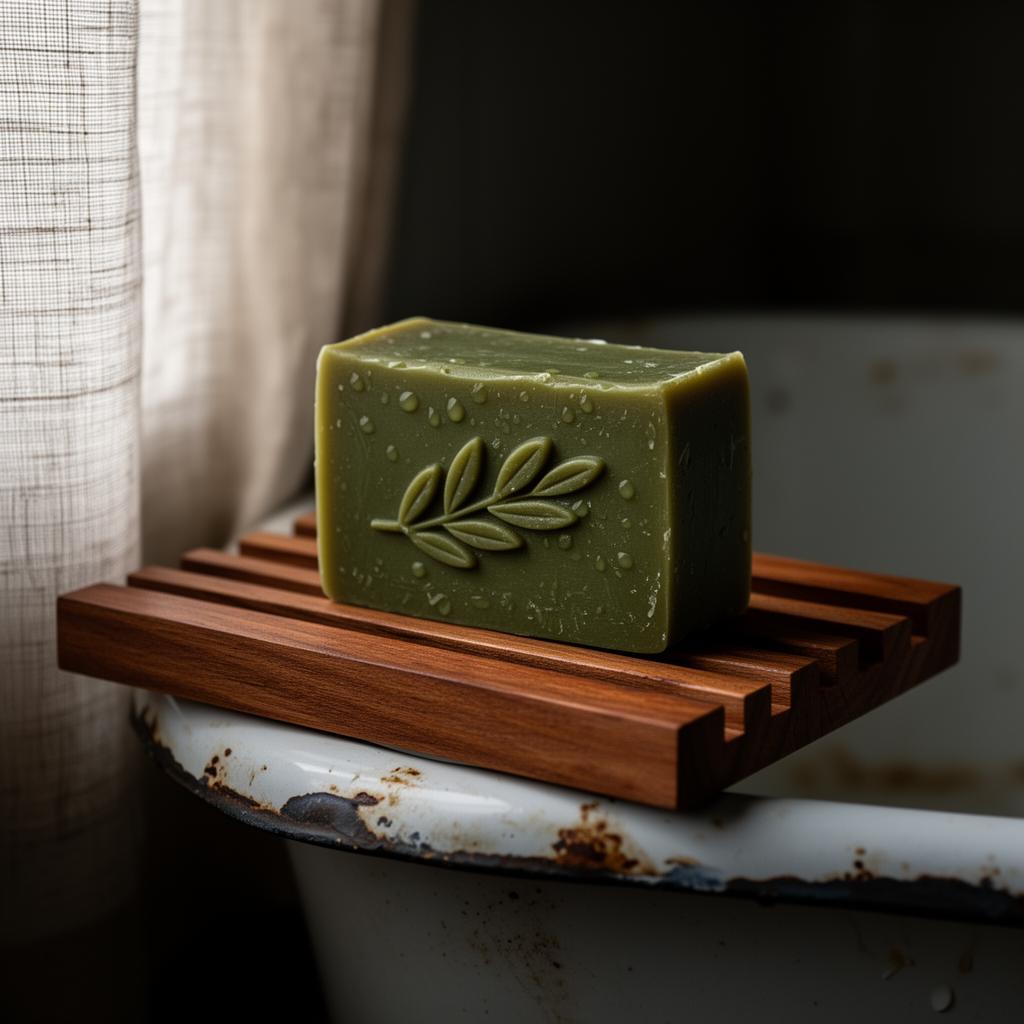
Wº 13The Art of the Dry Bar: How to Keep a Bar of Soap Alive
A good bar of soap will outlast every bottle it replaces — if you let it dry. A short, practical note on slatted dishes, the last sliver, and the small habits that double a bar's life.
 Wº 14
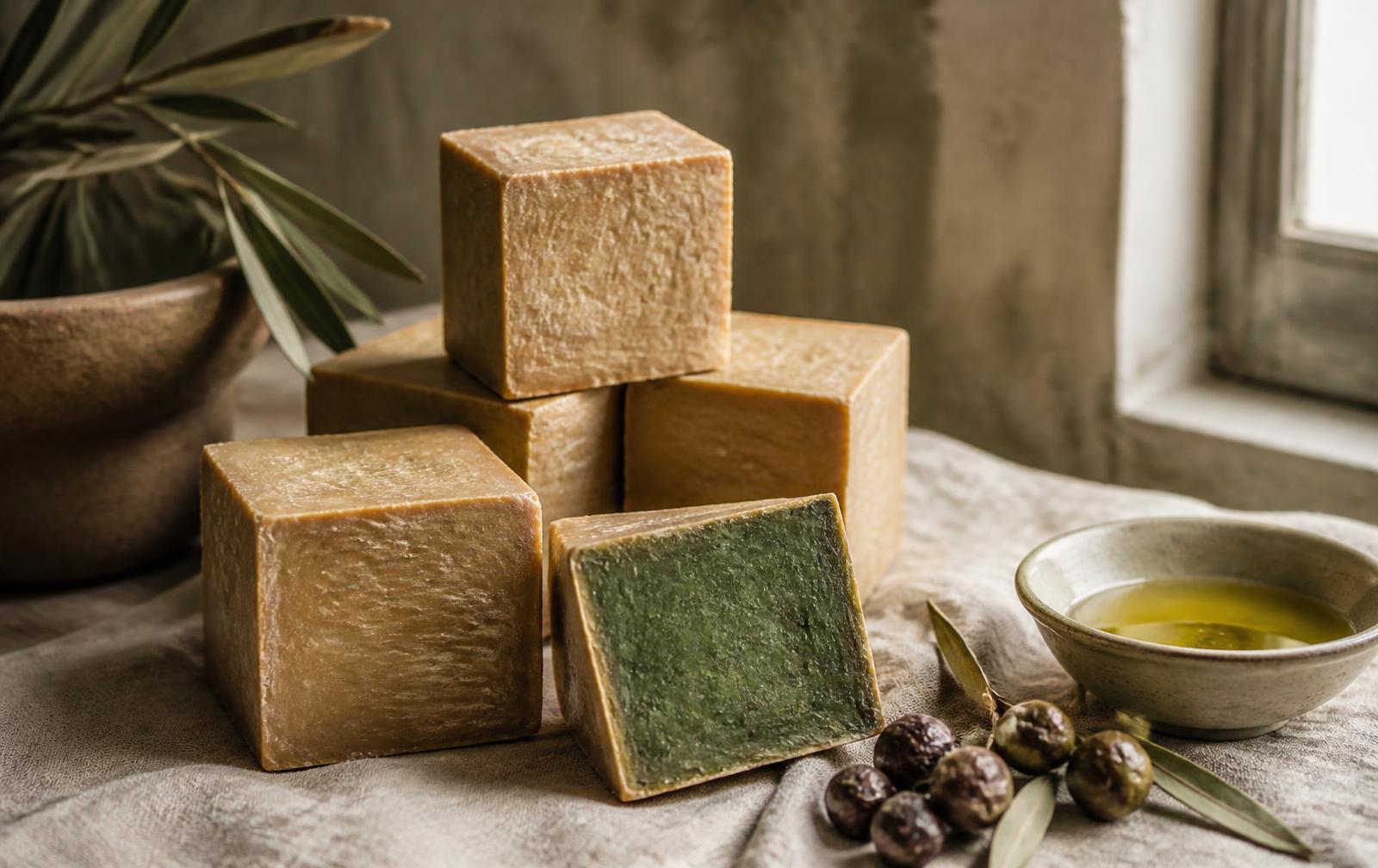
Wº 14What Is Aleppo Soap? A Complete Guide
Aleppo soap is a hard, hot-processed bar made from three ingredients — olive oil, laurel berry oil, and lye from saltwort ash — and cured for months or years. Here is everything worth knowing before you buy one.
Regions, ingredients,
and method.
These dispatches cover six traditions — Aleppo olive-and-laurel, Icelandic kelp, savon de Marseille, Japanese hinoki, Moroccan argan, and Southwest desert sage. You'll read which oils each region relies on, how cauldrons and cold-press methods differ, and why cure times run from weeks to years.
Traditional bars are made with whole plant oils — olive, laurel, argan, coconut — cold-pressed or cauldron-cooked, then cured for months or years so the water evaporates and the bar hardens. Commercial soap is usually a detergent base extruded within hours, propped up with synthetic hardeners and fragrance. The traditional bar lathers slower, lasts longer, and leaves less residue on skin.
Nine regions across the archive: Aleppo in Syria (olive-and-laurel), the Icelandic Westfjords (kelp and cold-water tallow), Salon-de-Provence in France (savon de Marseille), Nagano in Japan (hinoki and onsen bathing), the High Atlas in Morocco (argan and ghassoul clay), the Sierra Blanca Mountains in New Mexico (desert sage and juniper), Mount Lebanon (laurel berry oil), Nunavut in the Canadian Arctic (rendered marine fats and ash lye), and Dundas, Ontario (small-batch goat milk).
Olive oil is the backbone almost everywhere it grows. Laurel berry oil defines Aleppo. Coconut and palm add lather in tropical climates. Regional additions carry the identity of the place — kelp in Iceland, hinoki wood in Japan, argan in Morocco, desert sage in the Southwest. Lye is universal; without saponification, there is no soap.
Most bars cure between six weeks and two years. Aleppo cures for a minimum of nine months, often two years, which is why the outside turns pale gold while the inside stays green. Long curing drives out water, hardens the bar, and lets the saponification finish so the soap is milder on skin. A rushed cure means a soft, quick-dissolving bar.