I.
The Hand Bar
Protects the barrier even with frequent washing. Naturally antibacterial — without the hormone disruptors.
One Formula · No Fuss
My grandfather kept two things from his travels: a shaving brush from Trieste and a cake of olive soap he carried home from Aleppo in 1962. The brush is gone now. The soap is not. Or at least, the smell of it isn't.
Olive oil. Laurel berry. Stone rooms. A scent that somehow survived borders, wars, suitcases, steam, and time.
That memory became the reason Relic went looking.
Most soap today feels like an apology. Too much fragrance. Too much foam. Too many ingredients trying to imitate what olive oil and time already knew how to do.
Aleppo soap was different. It did not ask to be modernized. It did not need a laboratory name or a synthetic scent. It came from a city, a method, a climate, and families who understood that useful things can still be beautiful.
Relic exists for objects like that. We travel. We pay the maker. We bring back the real thing.
Aleppo soap is a traditional hard soap associated with Aleppo, Syria, and widely regarded as one of the oldest continuously produced soaps in the world. Its formula is almost stubbornly simple: olive oil, laurel berry oil, water, and lye.
The origins of the tradition are generally traced to the 8th–10th century CE, during the early Islamic period. While ancient civilizations made soap-like cleaning pastes before it, Aleppo soap is considered one of the first known hard bar soaps made through saponification using plant-based oils and lye.
Its importance grew because Aleppo sat along the great trade routes. The soap moved through the Middle East, North Africa, and the Mediterranean. Eventually, similar methods reached Europe and influenced famous olive-oil soap traditions like Marseille.
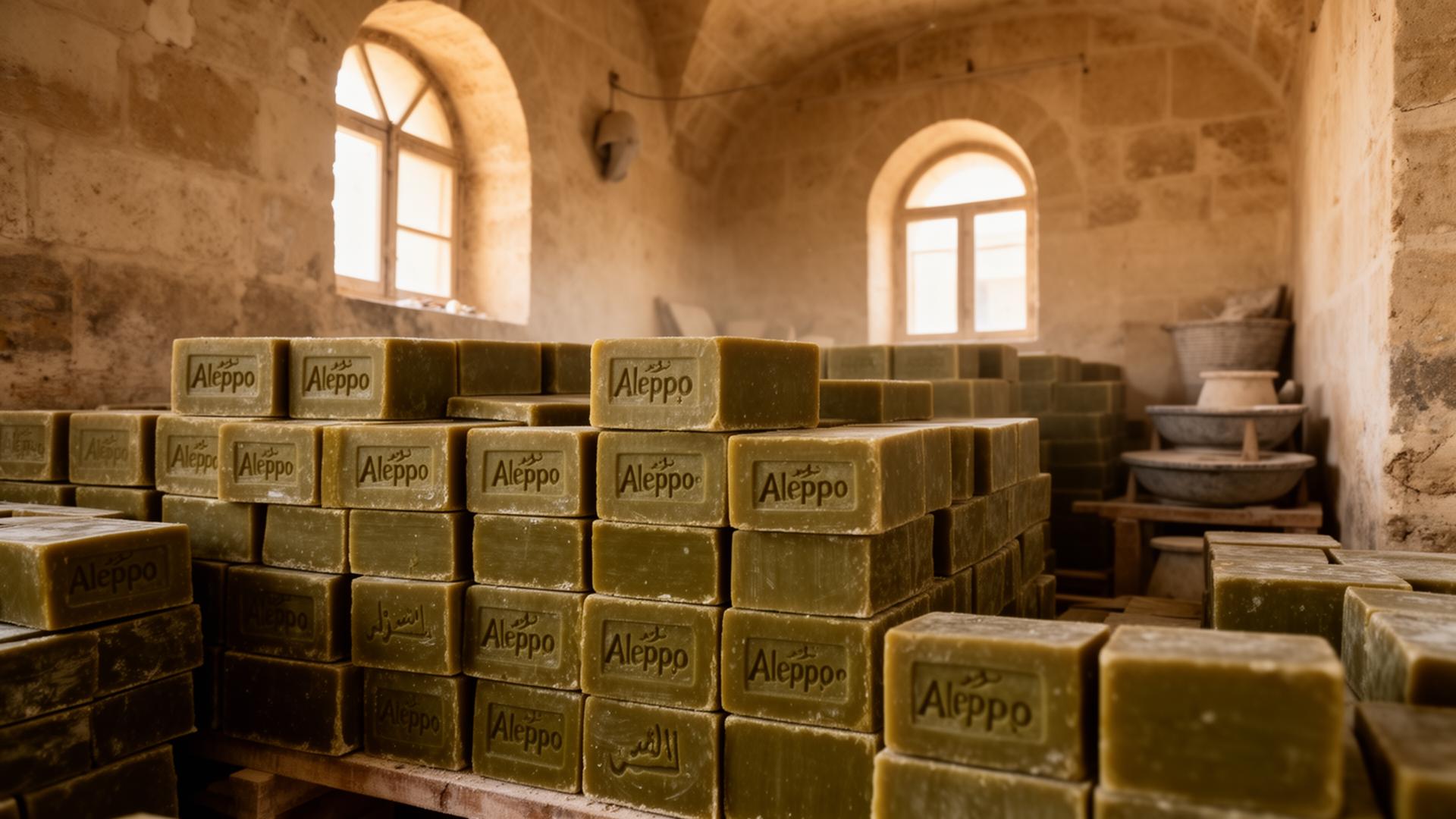 Plate I · Aging room · stone vault, southern workshop
Before European olive-oil soaps became famous, the method had already traveled from older hands.
The Syrian Civil War disrupted traditional soapmaking in Aleppo. Workshops were damaged or destroyed. Families were scattered.
Makers carried their knowledge across borders into rural Syria, Lebanon, and Turkey, where village families continued the work as best they could — by hand, in small batches, the way they always had.
That is where Relic's search led: not to a factory with a brand story pasted on top, but to a quiet village still making it the old way. Bars stacked to dry. Stamps pressed by hand. Laurel oil measured carefully. Soap cured slowly — two full years — by the same village people who learned it from their parents.
A real Aleppo bar does not just come from a recipe. It comes from people who refused to let the recipe vanish.
Aleppo soap is almost defiantly simple. The complexity lives in the time, the temperature, and the hands that do the work.
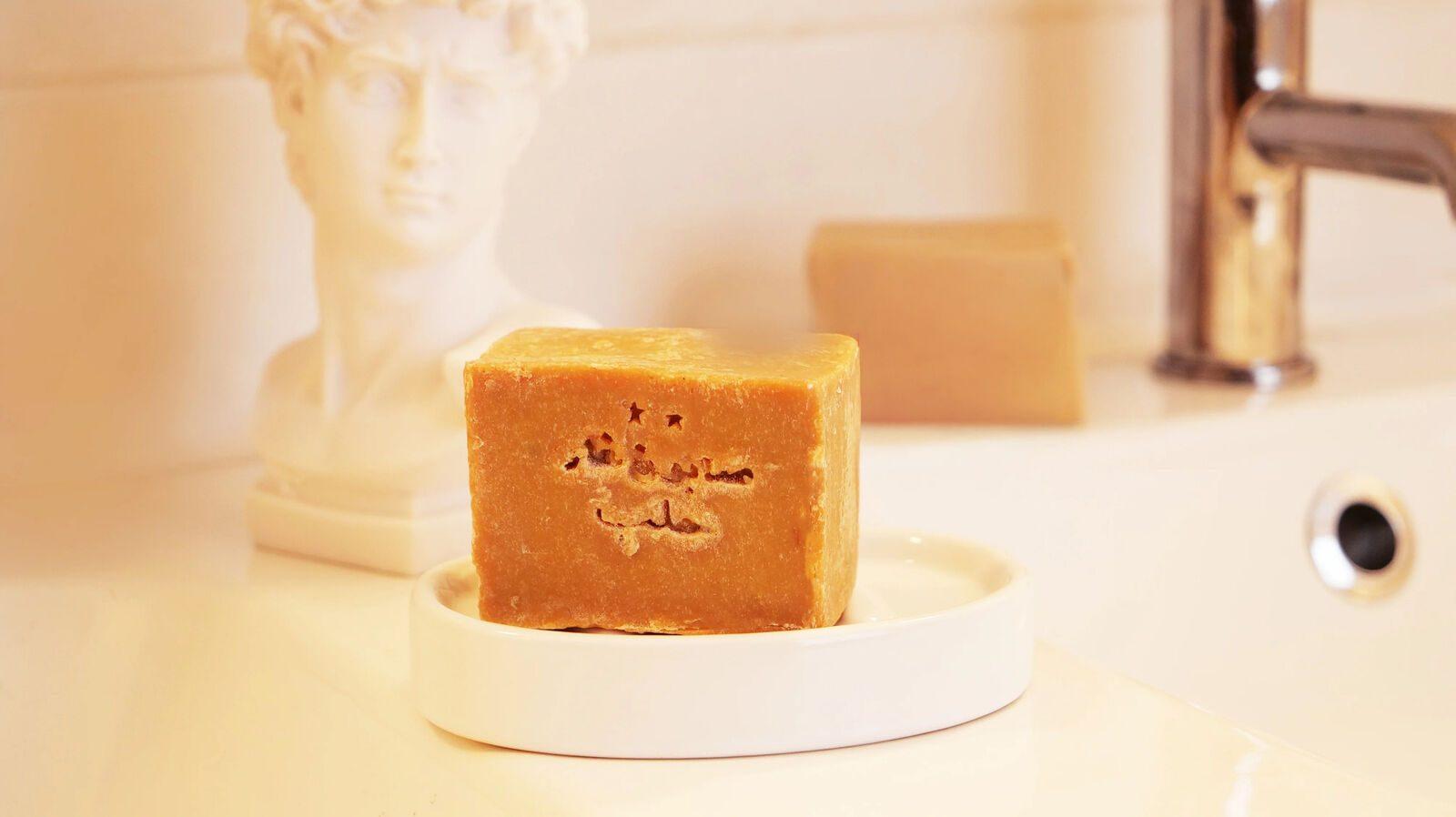 Plate II · Stamped bar · brown rind, green heart
Olive oil, water, and lye are heated in large cauldrons for several days.
Laurel berry oil is added near the end of the cooking process.
The soap paste is poured onto flat surfaces, smoothed, and cut by hand.
Bars are stamped with the maker's seal.
Stacked in cool subterranean vaults and cured for two full years — four times the standard nine-month cure.
Not a factory. Not a machine line. A small group of village families, doing it the way their parents did.
The ingredient that makes Aleppo soap Aleppo soap.
Olive oil gives the bar its body. Laurel berry oil gives it its character.
Pressed from Laurus nobilis, laurel berry oil brings the unmistakable herbal scent that made Aleppo soap famous. Historically, it elevated the soap's status and gave it associations with luxury, medicine, ritual, and royal households.
Ours is made with 20% laurel berry oil — the sweet spot. Enough to carry the full herbal aroma and the soap's traditional character, without tipping into the heavy, medicinal intensity of higher concentrations. Lower bars feel flat; much higher bars feel like a remedy. Twenty percent is the bar you actually want to use every day.
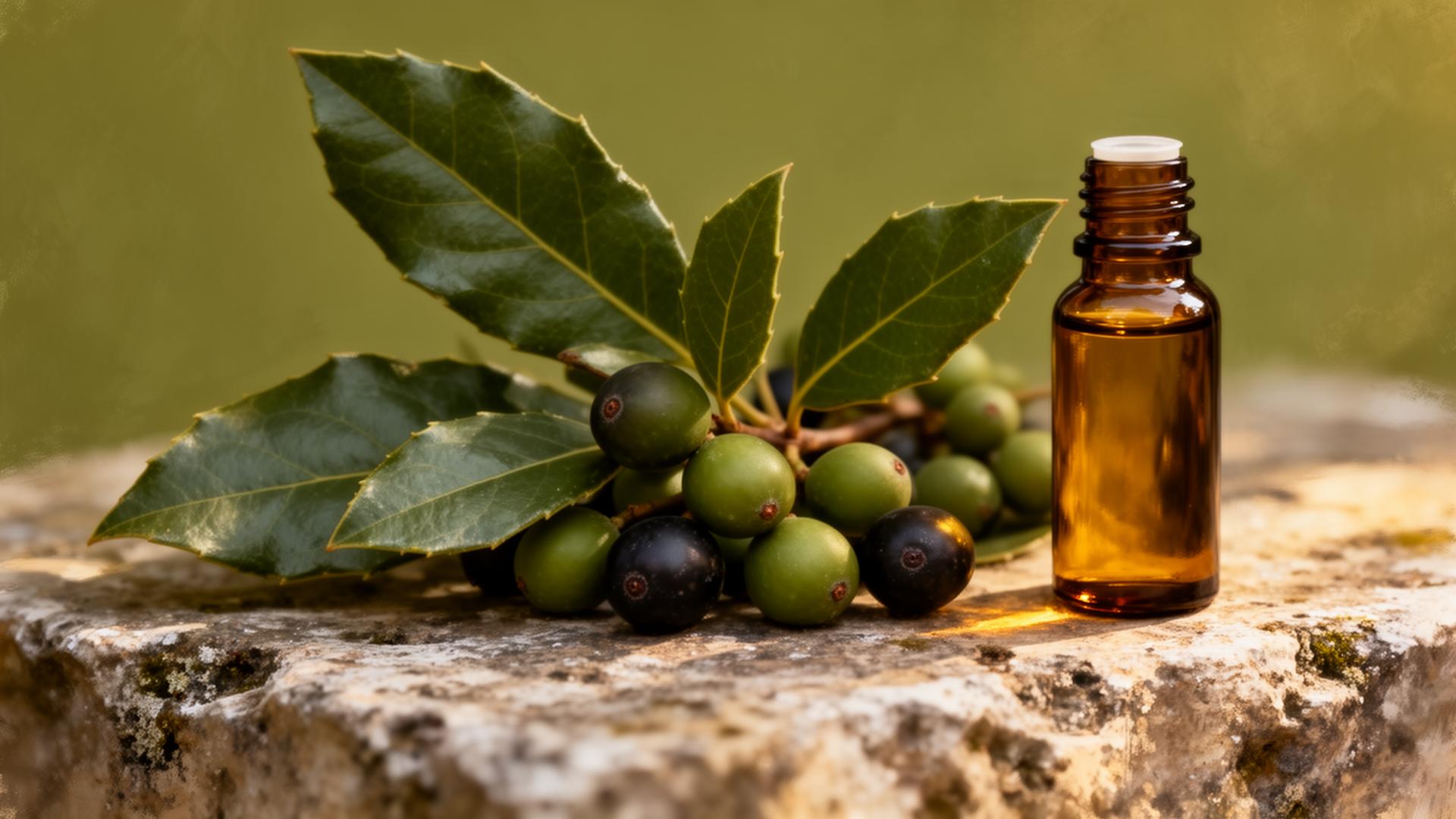 Plate III · Laurus nobilis · pressed cold, measured by hand
Twenty percent laurel — the balance the old makers got right.
Your skin is not just a surface. It is a living barrier, protected by natural oils, a delicate microbiome, and a slightly acidic outer layer known as the acid mantle. Harsh soaps and detergent-heavy bars can leave skin feeling dry, tight, irritated, or over-cleaned.
Aleppo soap is valued because it does less.
No synthetic perfume. No loud ingredient list. No attempt to turn your shower into a candy aisle. Just olive oil, laurel berry oil, water, lye, and time.
Most commercial soaps are missing something you never knew was there. Glycerin is a natural byproduct of saponification — it forms during the process and is excellent for keeping skin soft. Normal soap manufacturers remove it on purpose, so they can sell it separately for creams, lotions, and pharmaceutical products. The bar that reaches your shower is what's left after the good stuff has been extracted.
Aleppo soap keeps its glycerin. Two years of slow curing means the bar retains the natural moisturizing compounds that industrial soap strips away.
Conditions people often reach for it with:
A single formula that slips into the existing routine without rearranging the cabinet.
Protects the barrier even with frequent washing. Naturally antibacterial — without the hormone disruptors.
Cleopatra's standby. Deeply cleanses pores without triggering the rebound oil that follows a stripping wash.
Restores skin vitality. Quietly eliminates back acne and body odor at the source.
Restores shine and the scalp's natural acid mantle. No plastic bottle required.
A rich, natural glide that prevents irritation and razor burn. Replaces the can of foam.
Tier I · The Single Bar · 5 ozA bar with a past. A scent with a memory. A daily ritual that still knows where it came from.
A traditional olive oil and laurel berry oil hard soap made in the Aleppo tradition by village families, cooked hot, cut by hand, stamped, and cured for two full years until the outside turns warm and weathered while the heart remains green.
Aleppo soap is a traditional hard soap associated with Aleppo, Syria, made primarily from olive oil and laurel berry oil. It is widely regarded as one of the oldest continuously produced hard soaps in the world.
Its simplicity, its age, and its laurel berry oil. Authentic Aleppo soap is hot-processed, cut by hand, stamped, and aged for months before use.
No. Traditional Aleppo soap is hot-process. The oils, water, and lye are cooked before the soap is poured, cut, stamped, stacked, and cured for two years.
Over two years of curing, the outside oxidizes into a golden-brown tone while the inside often remains green from the olive and laurel oils.
Many people use Aleppo soap for face, hands, body, and shaving. Avoid the eyes and discontinue use if irritation occurs.
We do not make medical claims. Aleppo soap is valued for its simple botanical ingredients and gentle cleansing feel, but it is not intended to diagnose, treat, cure, or prevent any condition.
Laurel berry oil gives Aleppo soap its signature herbal aroma and traditional reputation. Higher laurel content has historically been considered more premium.
My grandfather's Aleppo soap sat in a drawer for years after he died. By then it was too dry to use, too ordinary to display, and too full of him to throw away.
That is the thing about real objects. They gather meaning. They keep a record. They become more than what they were made for.
This is why Relic exists.
For the makers who still remember. For the places that still leave a mark. For the people who believe even a bar of soap should be allowed to have a past.