Doctors vs. Botanists: Two Approaches to the Same Skin
Why the dermatologist and the village herbalist often disagree about what to put on your face — and why the answer is usually older than either of them.
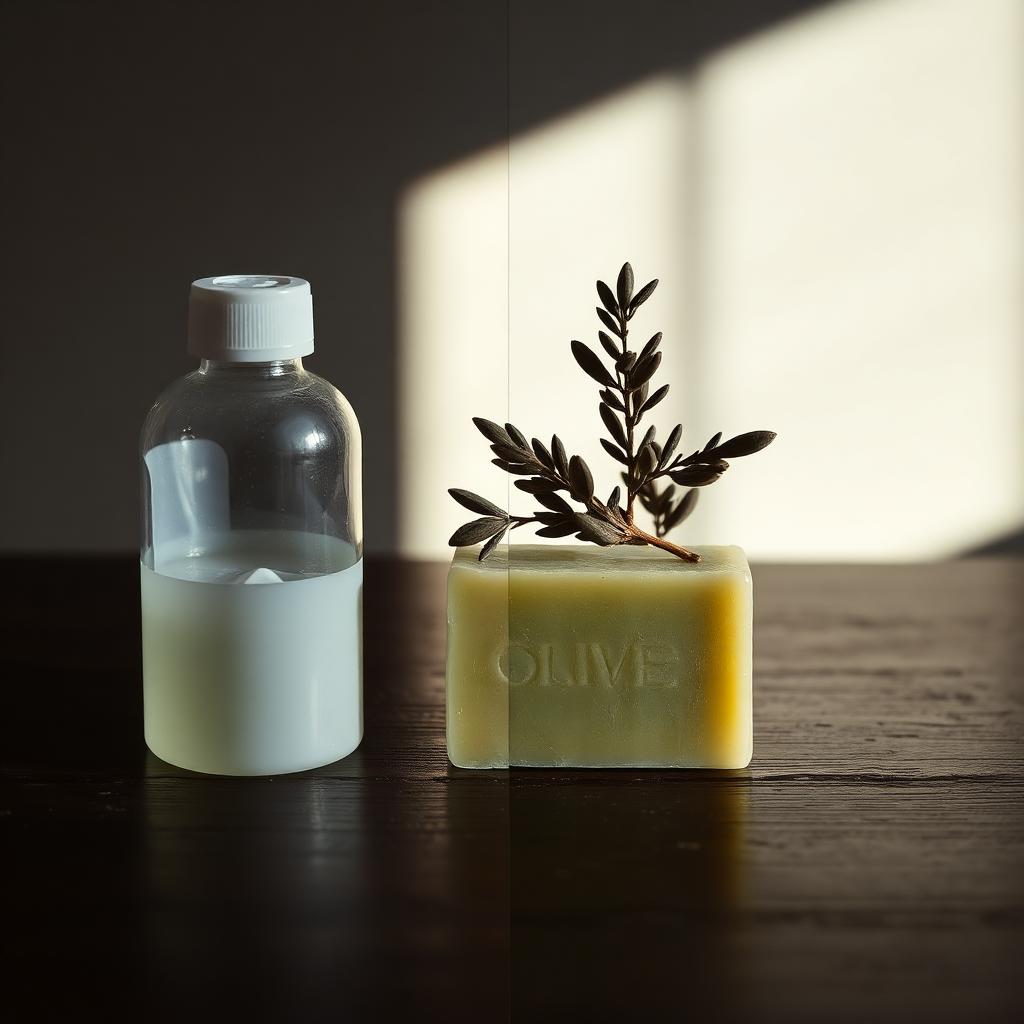
There is an old, mostly unspoken disagreement between two professions that both claim authority over the human skin. The dermatologist treats the skin as an organ — a system to be diagnosed, prescribed for, and corrected. The botanist (or the herbalist, or the village grandmother who knew where the laurel grew) treats the skin as a surface in conversation with the natural materials around it. Both have a point. Most of the modern personal-care industry has, by default, sided with the first.
The dermatological model is the model of the prescription. A condition is identified. A compound is named. A delivery vehicle (a cream, a wash, a serum) is engineered to put the compound onto the skin. The compound itself is usually synthetic, often patented, and almost always specific to one symptom. There is a great deal of good in this approach — it is how we treat severe acne, severe eczema, infections, and skin cancers, and we are not for one second arguing against any of that.
The botanical model is the model of the recipe. Plants that have been used for millennia in a particular climate are pressed, distilled, infused, or saponified into a product that does several things at once. Olive oil moisturises, mildly antimicrobials, and feeds the skin barrier — not because someone designed it to, but because that is what olive oil happens to do. Laurel berry oil is antifungal, anti-inflammatory, and quietly regulates sebum. Neither was engineered. Both have been in continuous human use longer than any pharmacy has existed.
Where the two approaches collide is the daily product. The bar of soap you wash with every morning is not, in any meaningful sense, treating a condition. It is a daily exposure to a long ingredient list, on the most absorbent skin you have, repeated for the rest of your life. The dermatologist's instinct — to engineer a specific cleanser for a specific skin type — produces a bar with a dozen synthetic compounds, each one solving a small problem the bar's other compounds created. The botanist's instinct produces a bar with three ingredients that have been working together since the Phoenicians.
Our own bias, to be open about it, is that for routine cleansing the botanist usually wins. A bar of authentic Aleppo soap is not, and does not pretend to be, a treatment for any specific dermatological condition. We make no medical claims about it. What we will say is that customers reach for it most consistently when they have run out of patience with the engineered approach — when the prescription cream worked but the regular face wash kept undoing the result, or when the dermatologist's recommended cleanser turned out to be a sulfate-based bottle that had stripped the skin barrier in the first place.
The compromise that most people end up at, in our experience, is this: keep the dermatologist for the diagnosis, the prescription, and the things that need to be treated. Keep the botanist's recipe — three ingredients, two thousand years old — for the bar you actually wash with twice a day. The doctor and the village grandmother do not have to agree about everything. They mostly agree about the daily bar.
— Filed from the workshop