The Cost of Doing Nothing
On scarcity, comfort, and the slow accumulation of things you almost did — written from a curing rack.
This world is not a zero-sum game, and this life is not linear. The consequences of those two sentences are infinite. We never know how far we could have gone. We only ever remember how far we did go. Value — economic, social, personal, spiritual — gets created many times over when we actually put ourselves into the world and take the opportunities in front of us.
The cost of doing nothing is harder to see because it does not arrive on a single bill. It arrives quietly, in the form of conversations not had, work not made, mornings spent inside instead of outside, calls not returned, projects that were going to start in the new year and then in the spring and then never. None of it shows up at the time. All of it shows up later, all at once, usually around 2 a.m.
When the energy that should be spent searching for the maximum is spent instead on holding on to what we already have, the result is a slow drift into a mindset of scarcity. We start accepting the flaws in ourselves and in the people around us. We start believing, against the evidence, that life is not really supposed to be better than this — that better is for other people, or for a different decade, or for after some condition is met that never actually gets met.
The other way of saying the same thing: in real life, the choice is almost never between two options. It is between nothing and everything. Everything comes from being proactive. From asking, on a Tuesday, what could be done better. From asking who could bring value to you, and to whom you could bring value. From refusing — quietly, without making a scene about it — to accept good enough.
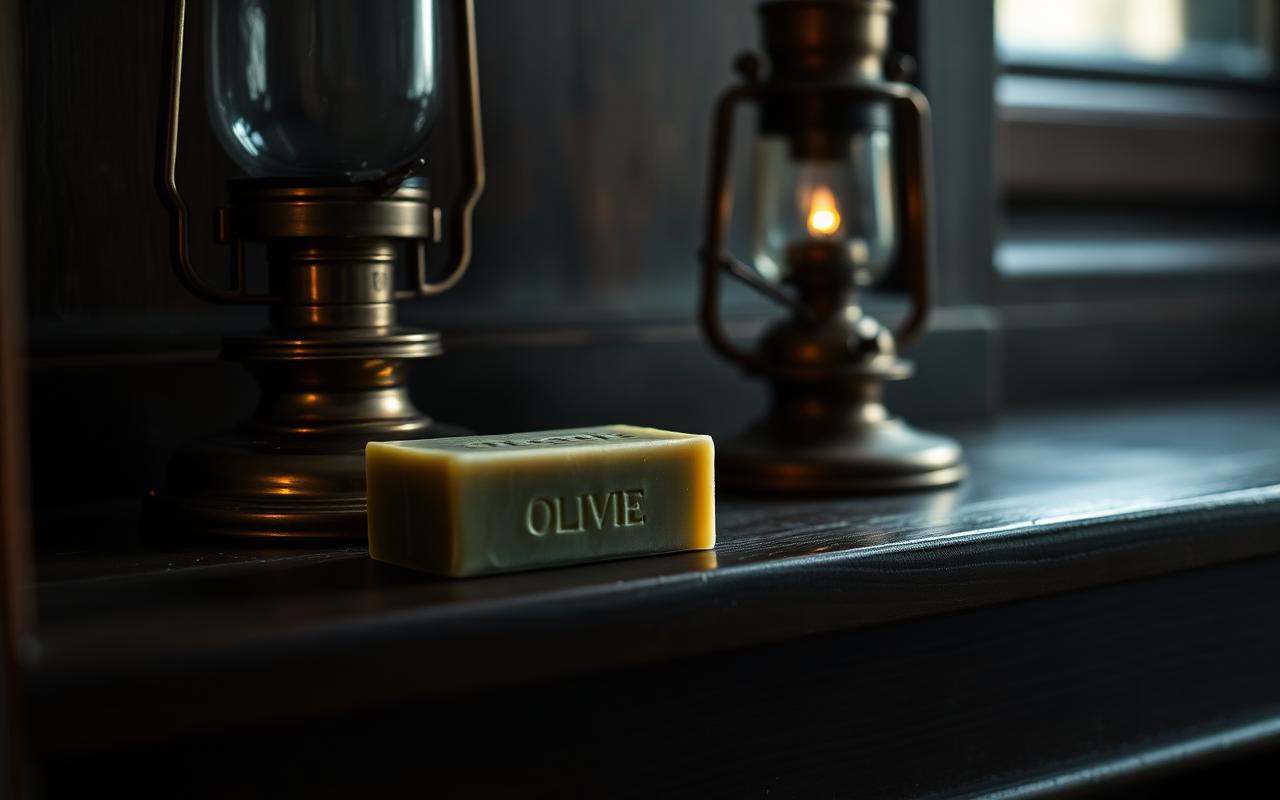
We are not in the business of selling you the answer to any of this. We make a bar of soap. The bar is olive oil, laurel oil, and lye made from saltwort ash, cured for two years in a stone cave. It is one ingredient list, one small daily ritual, and one decision — to wash with something honest instead of something convenient — that costs about eleven dollars and lasts a couple of months. It will not, by itself, change your life.
But it is one less thing that you were going to get around to. And the cost of doing nothing, in our experience, is mostly the compounding interest on a thousand things exactly that size.
— Filed from the workshop