The Energy of Natural Things
A short essay on why a hand-cured bar of olive and laurel soap feels different in the hand than a factory-extruded one — and why that distinction matters, even if it cannot quite be measured.
There is something that happens when you pick up a bar of soap that was cut by a person two years ago, in a stone room, in a small village, by someone whose father taught them how. The bar weighs the same as a factory bar of equivalent size. It cleans, in a strict chemical sense, the same way. But it does not feel the same in the hand, and after a few weeks of using it the difference becomes harder rather than easier to ignore.
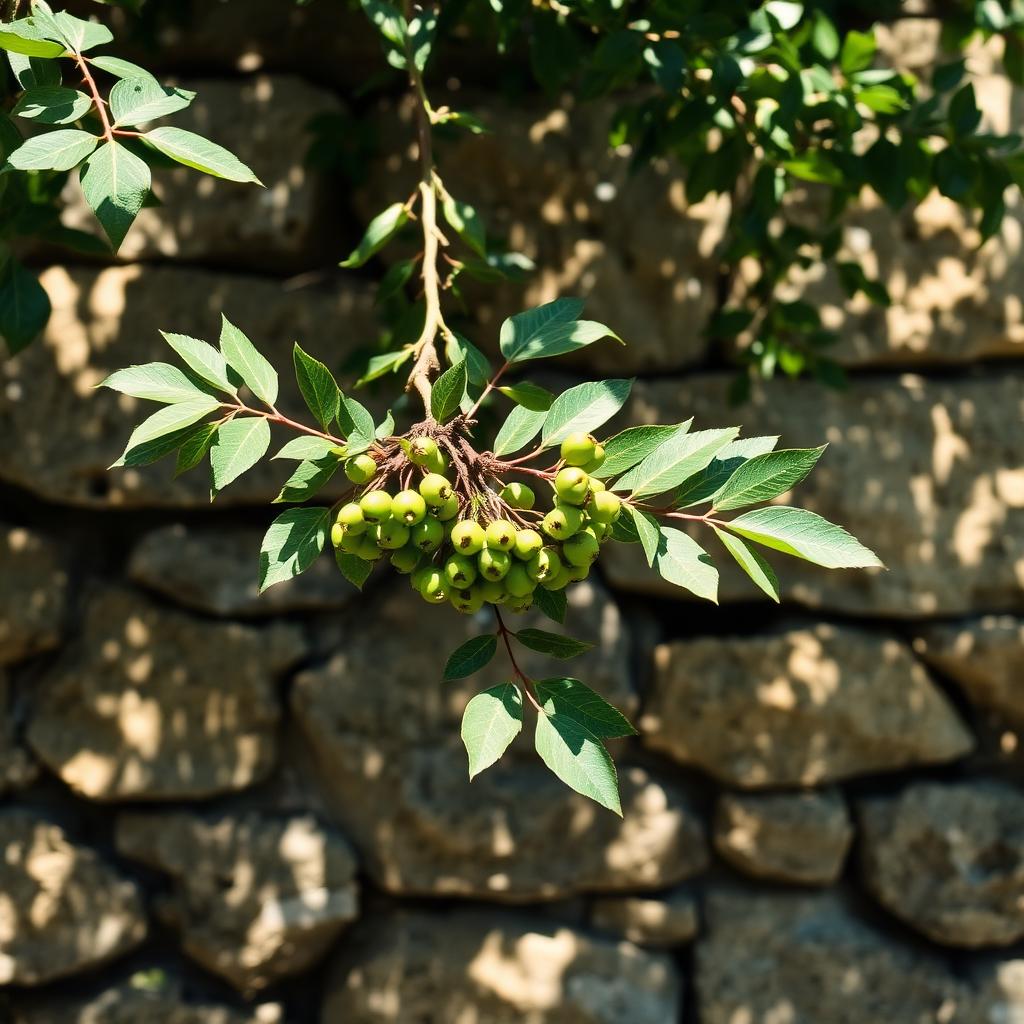
We are nervous about the language people sometimes reach for here — energy, vibration, intention. Those words tend to leave the room quickly. We will use a more boring one: provenance. The bar has a history that you can, in principle, trace. The olive oil came from a particular hillside in a particular autumn. The laurel berries were picked by hand. The cauldron was stirred by a man with a wooden paddle for three days. The slab was cut on a stone floor by two men in soft-soled shoes. The bar then sat in a cool stone cave for two full years before it was put in a piece of kraft paper and sent to you.
Compare this to the alternative. A modern industrial bar is melted from pellets in a continuous-flow line. It is stabilised with surfactants, scented with synthetics, coloured with a CI compound, and extruded through a die roughly every three seconds. There is no hand involved at any point. There is no village. There is no name attached to it. It cleans the body just fine. But it is, in a way that you cannot quite measure but can fairly easily feel, an anonymous object.
The argument for natural things — for handmade things, for things with provenance — is not that they perform better on a clinical test. It is that the daily ritual of washing your face becomes a small contact with a real place, a real person, and a real tradition that has refused, for a thousand years, to be improved by anyone who wanted to make it cheaper. There is an energy to that, if you want to use the word, or a quietness, or a dignity, or just a smell of olive and laurel that came up out of a cauldron on the other side of the world. Whatever you call it, it is the opposite of anonymous.
We do not think this is mystical. We think it is the simple consequence of the bar having been made by people who knew what they were making and were paid fairly to make it, in a process that takes the time it takes. The energy of natural things is, in our reading of it, just the trace of all those decisions still hanging around the object. You can wash with anything. You might as well wash with something that has a story you do not have to apologise for.
— Filed from the workshop